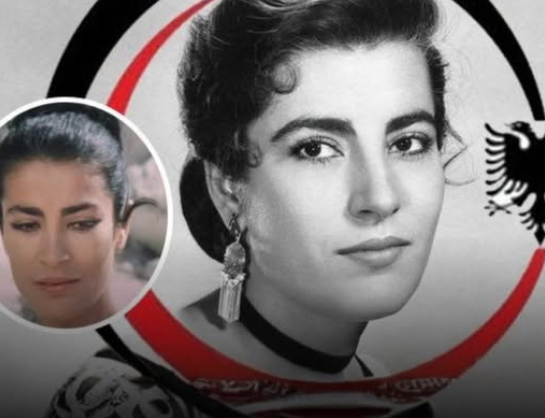
Irene Papas Sparks Debate with Her Albanian Roots Claim
Një deklaratë e lidhur me legjendën e kinemasë greke, Irene Papas, ka rikthyer në vëmendje diskutimet mbi origjinën dhe identitetin e artistes së njohur ndërkombëtarisht. Papas, e cila ndërtoi një karrierë të jashtëzakonshme në kinemanë greke dhe atë ndërkombëtare, është kujtuar edhe për rrëfimet e saj mbi prejardhjen familjare. Në biografinë e saj, sipas materialeve që janë publikuar ndër vite, artistja ka folur për rrënjët e familjes dhe ka pohuar se ato lidhen me shqiptarët, duke e bërë këtë pjesë të historisë së saj personale një temë që vazhdon të diskutohet edhe pas ndarjes së saj nga jeta.VAZHDO LEXIMIN ME POSHTE!Irene Papas ishte një nga figurat më të njohura të kinemasë greke të shekullit XX dhe arriti të ndërtojë një emër përtej kufijve të Greqisë. Ajo u bë e njohur për publikun ndërkombëtar përmes roleve në produksione të mëdha kinematografike, ndër të cilat spikasin “Zorba the Greek” dhe “The Guns of Navarone”. Me një karrierë që zgjati për më shumë se pesë dekada, Papas u shndërrua në një prej fytyrave më të dallueshme të kinemasë greke dhe luajti në dhjetëra produksione, duke interpretuar role të fuqishme dhe komplekse.Megjithatë, përtej karrierës së saj artistike, prejardhja e Irene Papas është një nga temat që ka nxitur diskutime të shumta. Sipas rrëfimit të atribuuar asaj në biografinë e saj, artistja ka folur hapur për origjinën familjare dhe për lidhjet që familja e saj kishte me komunitetet arvanitase. Kjo çështje është bërë pjesë e një debati më të gjerë mbi historinë e komuniteteve arvanitase në Greqi dhe lidhjet e tyre historike e gjuhësore me botën shqiptare.Një nga deklaratat më të forta që i atribuohet artistes është ajo ku ajo shprehet se nuk dëshironte të largohej nga kjo botë pa folur për atë që ajo e konsideronte të vërtetën rreth origjinës së saj. “Nuk mund të largohem nga kjo botë pa thënë të vërtetën se jam shqiptare”, është shprehur ajo, sipas rrëfimit të publikuar. Kjo fjali ka marrë vëmendje të veçantë, pikërisht për shkak të profilit të saj si një prej simboleve më të mëdha të artit grek.Në rrëfimin e saj, Papas ka theksuar gjithashtu se babai i saj ishte me origjinë shqiptare, ndërsa nëna e saj vinte nga Epiri. Këto deklarata lidhen me historinë familjare të artistes dhe me mënyrën se si ajo vetë e ka përshkruar prejardhjen e saj. Emri i saj i lindjes ishte Irene Leleku, ndërsa familja e saj është lidhur në burime të ndryshme me komunitetet arvanitase, të cilat kanë një histori të gjatë në territorin e Greqisë.Pikërisht këtu qëndron edhe një nga aspektet më interesante të këtij rrëfimi. Identiteti arvanitas është një temë komplekse dhe historikisht e debatueshme, pasi arvanitasit janë një komunitet i vendosur prej shekujsh në pjesë të ndryshme të Greqisë dhe kanë lidhje historike me popullsi shqipfolëse. Për këtë arsye, çështja e mënyrës se si këto komunitete e kanë përjetuar dhe përkufizuar identitetin e tyre ndër breza vazhdon të jetë objekt diskutimi mes historianëve, gjuhëtarëve dhe studiuesve.Deklaratat e Irene Papas marrin një peshë të veçantë për shkak të pozitës që ajo kishte në kulturën greke. Ajo nuk ishte thjesht një aktore e njohur, por një prej figurave që përfaqësoi kinemanë greke në skenën ndërkombëtare. Për dekada me radhë, emri i saj u lidh me produksione të rëndësishme dhe me role që u vlerësuan nga publiku në vende të ndryshme të botës. Prandaj, çdo deklaratë e saj mbi identitetin dhe prejardhjen familjare kishte potencialin të merrte vëmendje shumë përtej jetës së saj private.Për publikun shqiptar, rrëfimi është bërë veçanërisht interesant për shkak të mënyrës së drejtpërdrejtë me të cilën Papas, sipas biografisë së saj, ka folur për origjinën e familjes. Në një rajon ku historia, gjuha dhe identiteti janë shpesh të ndërthurura, rrëfime të tilla kanë një rëndësi të veçantë emocionale. Megjithatë, është e rëndësishme që deklarata e artistes të kuptohet brenda kontekstit të rrëfimit personal dhe të mos përdoret automatikisht si provë e vetme për çështje komplekse historike apo identitare.Në Greqi, ndërkohë, tema e origjinës së Papas ka qenë objekt diskutimesh pikërisht për shkak të statusit të saj si ikonë e kulturës kombëtare. Një artiste që për shumë njerëz simbolizon kinemanë greke ka deklaruar se e konsideronte veten me rrënjë shqiptare, duke krijuar kështu një kontrast interesant mes identitetit publik dhe historisë familjare që ajo ka treguar. Ky kontrast është një prej arsyeve pse rrëfimi i saj vazhdon të tërheqë vëmendje edhe sot.Karriera e Irene Papas, megjithatë, mbetet shumë më e gjerë se çdo debat mbi prejardhjen. Ajo interpretoi në rreth 70 filma dhe punoi me emra të rëndësishëm të kinemasë ndërkombëtare. Për më shumë se 50 vjet, ajo ishte aktive në botën e artit dhe u shqua për mënyrën e saj të veçantë të interpretimit. Rolet e saj në filma të njohur ndërkombëtarisht e vendosën atë në një nivel ku emri i saj u bë i njohur përtej Greqisë dhe Ballkanit.Në këtë kuadër, deklarata mbi origjinën mund të shihet edhe si një pjesë e rrëfimit personal të një artisteje që gjatë gjithë jetës së saj ka qenë në qendër të vëmendjes publike. Identiteti për shumë njerëz nuk është domosdoshmërisht një koncept i vetëm dhe i pandryshueshëm, por mund të lidhet me familjen, vendin e lindjes, gjuhën, kulturën dhe kujtesën familjare. Për Papas, sipas deklaratave të atribuuara asaj, lidhja me rrënjët shqiptare ishte një pjesë që ajo dëshironte ta shprehte publikisht.Rrëfimi i Irene Papas rikthen kështu edhe një debat më të gjerë mbi marrëdhëniet historike dhe kulturore mes shqiptarëve dhe grekëve. Historia e rajonit ka qenë e karakterizuar nga lëvizje popullsish, bashkëjetesë komunitetesh, ndikime gjuhësore dhe ndryshime të identiteteve përgjatë shekujve. Në këtë realitet kompleks, historia e komuniteteve arvanitase përbën një kapitull të rëndësishëm që vazhdon të studiohet dhe interpretohet nga studiues të ndryshëm.Në fund, pavarësisht se si interpretohet deklarata e saj dhe pavarësisht debateve që mund të ngjallë origjina familjare, Irene Papas mbetet një figurë e jashtëzakonshme e kinemasë botërore. Karriera e saj, rolet ikonike dhe ndikimi që pati në art e kanë bërë pjesë të historisë së filmit. Ndërsa rrëfimi i saj për rrënjët shqiptare ka shtuar një tjetër dimension në historinë e saj personale, ai gjithashtu ka rikthyer në vëmendje diskutimet mbi identitetin, trashëgiminë dhe lidhjet kulturore që kanë ekzistuar prej shekujsh në këtë pjesë të Evropës. PV: 84