Trump's Bold Peace Deal: The Secret Behind the $25B Asset Unfreeze

Iran has agreed not to build a nuclear weapon and to reopen the Strait of Hormuz, in return the US will release some $25 billion in frozen assets as part of a President Trump-brokered peace deal, according to details released by Tehran on Sunday.
Iranian officials were cautiously optimistic that a deal to finally halt the conflict which has raged for three and a half months, throwing world markets into chaos, was on the horizon.
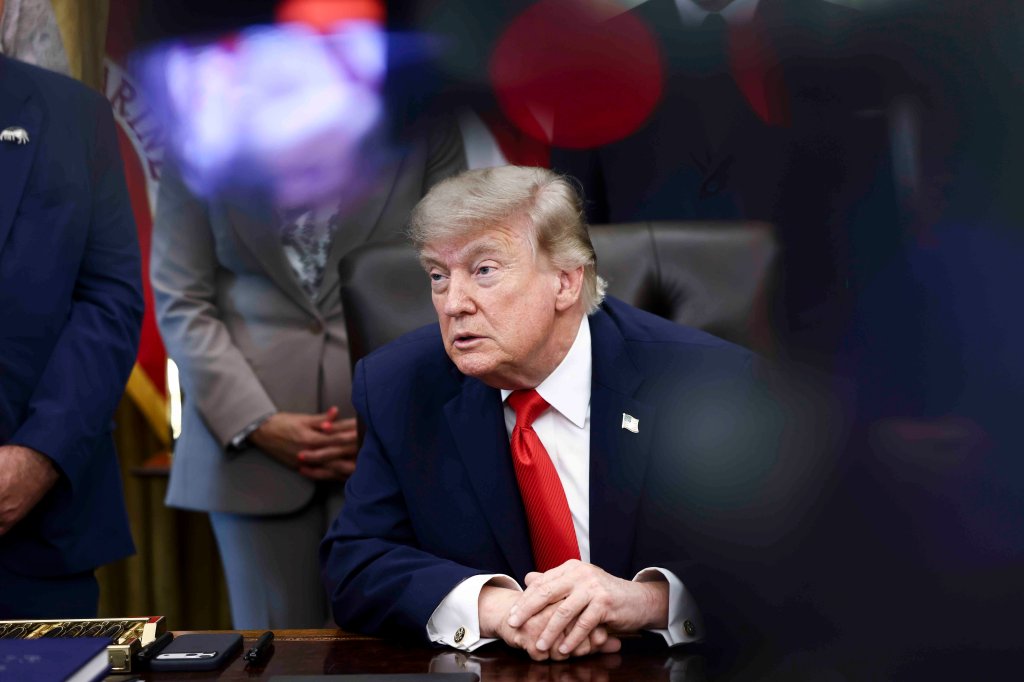
On Saturday, US President Donald Trump and Pakistani Prime Minister Shehbaz Sharif said a deal would be signed on Sunday and would immediately result in the reopening of the Strait of Hormuz, the crucial chokepoint through which a fifth of the world’s oil supplies flow.


An Iranian Foreign Ministry spokesperson said that the deal could happen in the next few days.
The deal, which would see $25 billion in Iranian assets unfrozen by the US, does not solve all issues between Tehran and Washington, but offers a 60-day framework for technical discussions on the issues, according to officials from Pakistan.
The US would also end its blockade of Iranian-linked ships coming out of the strait.
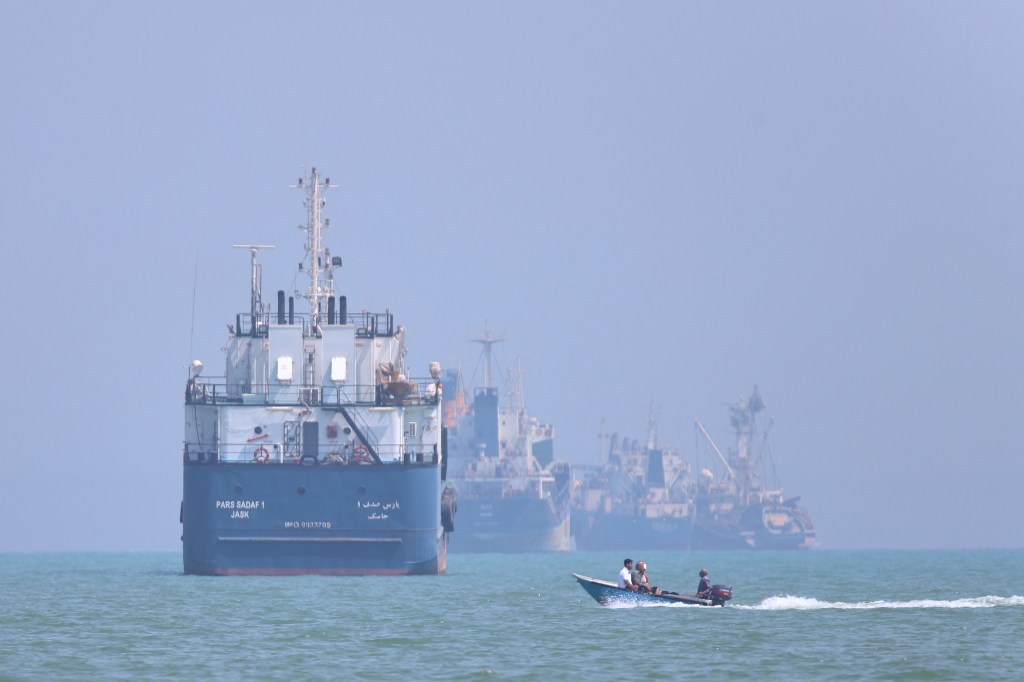
Shipping traffic through the narrow sea passage — through which 20% of the world’s oil flowed before the war — has has slowed to a trickle.
Qatari negotiators flew into Tehran Sunday morning in coordination with the US to help facilitate the finalizing of the agreement, an official told the New York Times.
A signing ceremony was reportedly expected for the coming days in Geneva, Switzerland, where US and Iranian negotiators met for talks in February before the start of the war.

Vice President JD Vance would potentially be the head of the US delegation, while Iran is sending its top negotiator, parliamentary speaker Mohammad Bagher Ghalibaf.
However, on Sunday, there were conflicting reports over whether Iranian officials were being scrambled to travel abroad soon.
Iran’s Foreign Ministry insisted Saturday there were no plans for his negotiating team to travel to Geneva or elsewhere in the next day or two.
President Trump is expected to remain in Washington to attend Sunday’s UFC fight at the White House, which coincides with his 80th birthday.
The apparent break in the log jam comes as Israel’s military announced Sunday it had launched strikes on neighboring Lebanon, targeting Hezbollah infrastructure in the capital, Beirut.
Israel’s Prime Minister Benjamin Netanyahu said the strikes were in response to Hezbollah attacks on the north of the country.
Tehran, which is Hezbollah’s main backer, last responded to Israeli strikes on Beirut with its own strikes on Israel last weekend.
Iran has also insisted previously that any US-Iran ceasefire must include an end to Israeli strikes on Lebanon.