Get the Scoop: Lymphatic Massage Unveiled!
Recently, lymphatic drainage massage has been gaining popularity for its potential benefits in various health conditions. This specialized technique focuses on supporting the body's lymphatic system, crucial for fluid balance and immune function. While often viewed as a wellness or beauty treatment, it also holds legitimate medical value and is recommended by healthcare providers.
What Is a Lymphatic Drainage Massage?
Lymphatic drainage massage is a gentle method that aids in moving lymph fluid throughout the body, reducing swelling and supporting recovery. Unlike traditional massages, it employs slow, rhythmic motions to follow the natural path of the lymphatic system, without deep muscle manipulation.
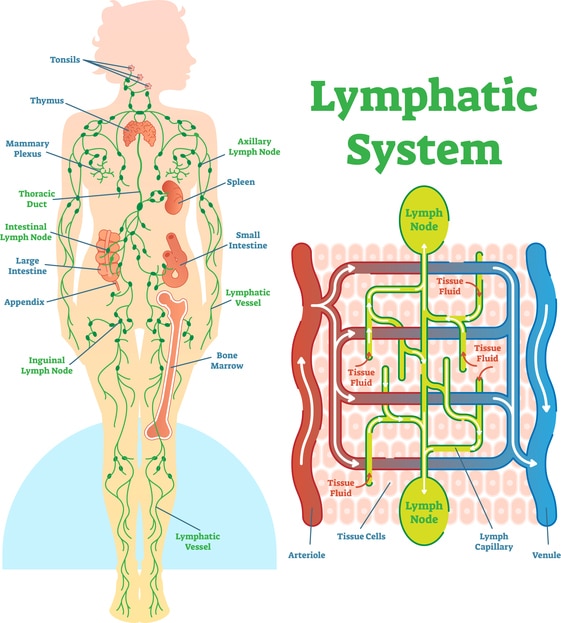
What Is the Lymphatic System?
The lymphatic system is integral to the immune and circulatory systems, comprising vessels, nodes, and organs like the spleen and thymus. Its functions include fluid regulation, waste filtration, immune support, and white blood cell transport. When the system malfunctions, it can lead to swelling, discomfort, and infection risks.
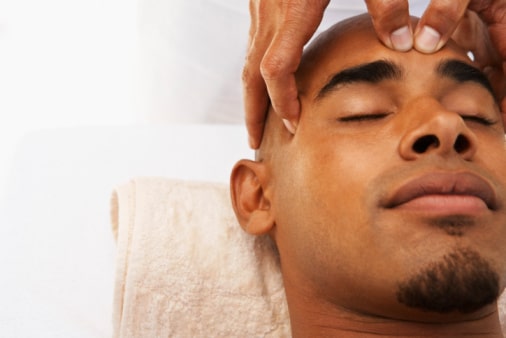
During a lymphatic drainage massage session, trained providers use gentle strokes to encourage lymph flow towards nodes for filtration. This technique is particularly beneficial for individuals with compromised lymphatic systems due to surgery, illness, or injury, providing a non-painful experience focusing on lymph-rich areas like the neck and abdomen.
Conditions Treated With Lymphatic Drainage Massage
Lymphatic drainage massage is commonly used in treating conditions such as lymphedema, post-surgical swelling, chronic venous insufficiency, and inflammatory disorders affecting circulation. It is most effective when the lymphatic system has been disrupted by specific events like surgery, illness, or injury.
While lymphatic drainage massage offers potential benefits like reduced swelling, improved circulation, and support for post-surgical recovery, it may not be suitable for everyone. Prior consultation with a healthcare provider is crucial, especially for individuals with certain health conditions that could be worsened by increased fluid movement.